How to Choose a Custom Merchandise Company in Singapore
Poor print quality. A deadline missed by four days. An MOQ that only surfaces after the design is already approved. These are the three complaints that come up most often about ordering custom merchandise in Singapore, and all three are avoidable with the right questions asked early.
What a Custom Merchandise Company Actually Does
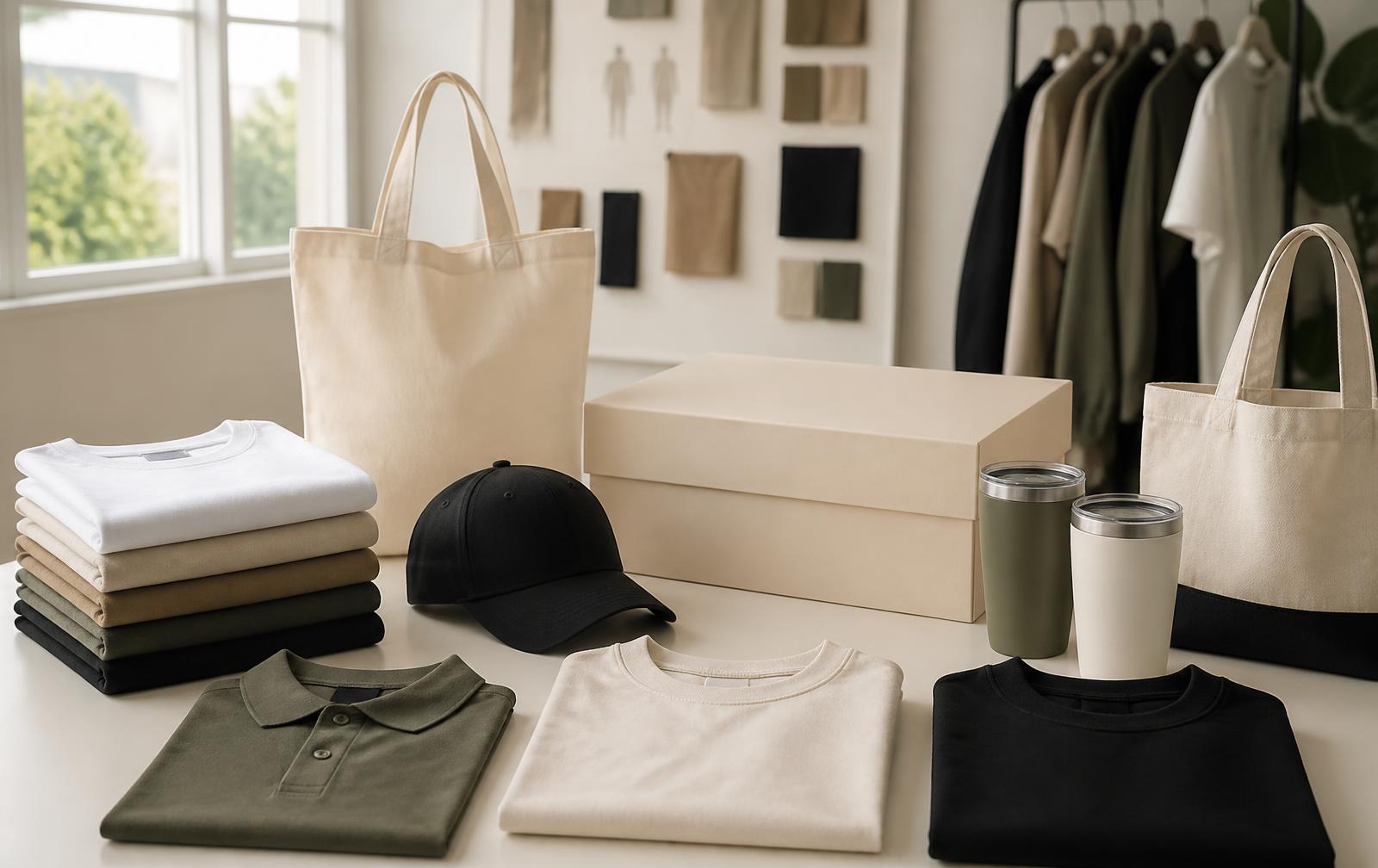
A custom merchandise company designs, sources and produces branded products for businesses: apparel, drinkware, tech accessories, stationery, and corporate gifting. Some operate purely as printers, taking a design and applying it to stock. Others manage the full process, including product sourcing, sampling and quality control before anything ships. Knowing which type you’re talking to changes what you should expect from them.
Why Businesses Invest in Custom Merchandise
Custom business promotional items serve a handful of clear purposes. Brand visibility at events. Employee onboarding and appreciation gifts. Giveaways that extend a campaign beyond the room it happened in. Client retention gifts that keep a relationship warm between projects. Done well, custom merchandise for business is one of the few marketing formats that keeps working after the spend stops. A good tote bag or water bottle gets used for years.
Seven Steps to Vetting a Custom Merchandise Company
Step 1: Check the product range and customisation options.
Look at whether personalised company merchandise is limited to a narrow catalogue or genuinely broad: apparel, bags, drinkware, stationery, tech accessories, gift sets, event merchandise and packaging. A narrow range forces you to split orders across multiple suppliers, which multiplies coordination and shipping cost.
Step 2: Understand their apparel design and printing capabilities.
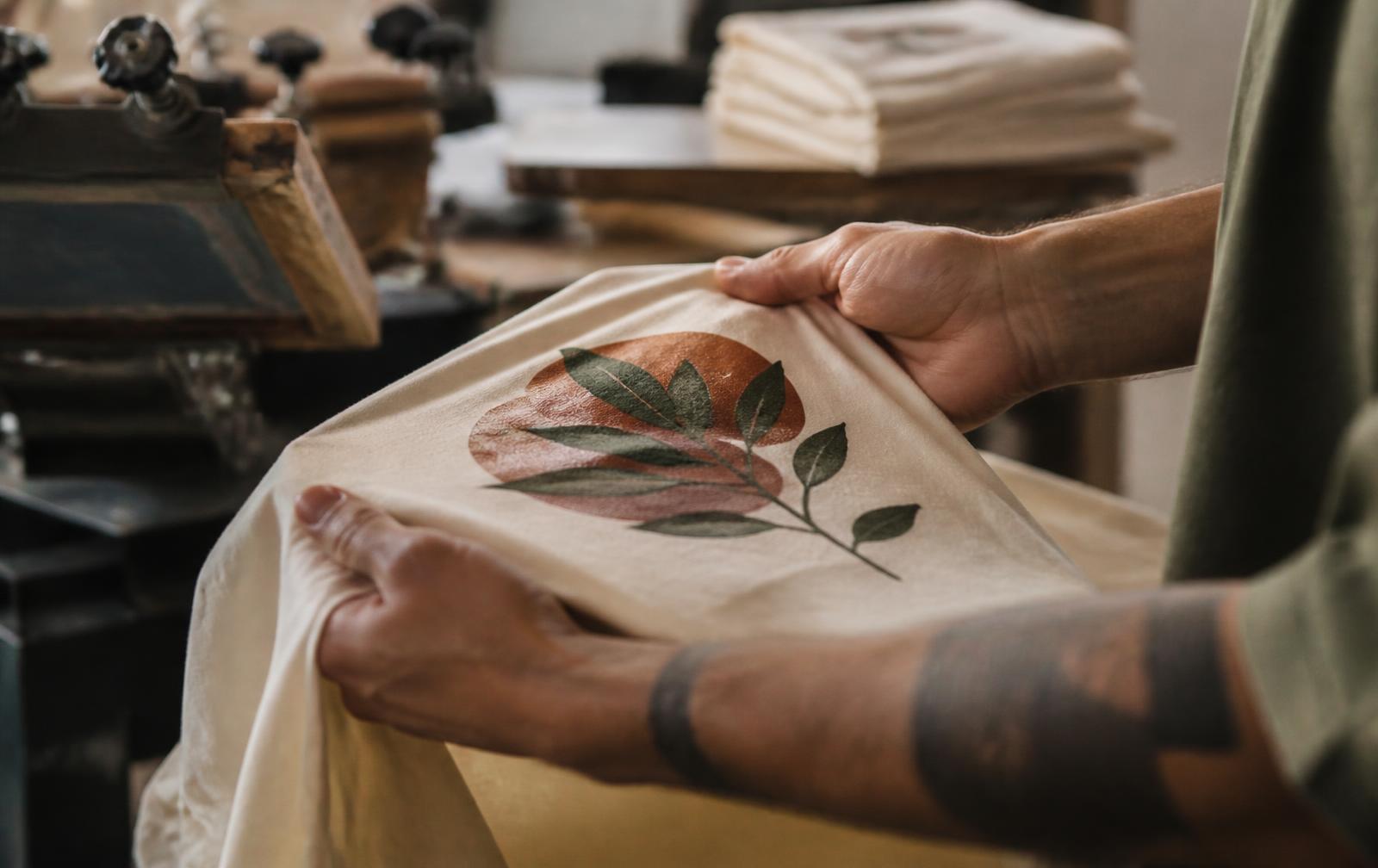
Apparel design and merchandising covers more than “can you print a logo.” Screen printing is cost-effective at higher volumes but requires a physical screen per colour. Embroidery gives a polished, premium finish. DTF and heat transfer have lower setup costs, making small runs more viable. Ask which methods a company does in-house versus outsources.
Step 3: Ask for minimum order quantities before you finalise a design.
MOQs in Singapore commonly sit around 20 to 30 pieces per design for screen-printed apparel, with some suppliers going as low as 10 to 20. Embroidery and DTF methods can often go lower, since they skip the fixed screen setup cost that drives screen printing’s minimums. MOQs exist because setup costs stay fixed per design regardless of order size, so very small runs cost more per piece. Confirm this before the design is locked in, not after.
Step 4: Confirm turnaround time and local fulfilment.
Standard lead time for logo-printed, ready-stock items is typically 7 to 10 working days in Singapore. Fully custom garments, less common sizes, or overseas-sourced products take meaningfully longer, often several weeks. If you have a fixed event date, get the timeline in writing and ask specifically whether a rush option exists and what it costs.
Step 5: Get pricing broken down by quantity, not a single number.
Ask for a tiered quote across two or three different quantities. This makes it easy to see where the price breaks happen and whether ordering slightly more actually saves money overall.
Step 6: Insist on a physical sample before bulk production.
A physical sample should be standard, not an upsell. Approving a sample is the only reliable way to catch colour, sizing or print quality issues before they’re multiplied across an entire order.
Step 7: Ask about sustainable and eco-friendly options.
This has moved from nice-to-have to a real procurement factor. Singapore’s Green Plan 2030 includes a Zero Waste Masterplan targeting a 30% reduction in waste generated per capita by 2030, which puts disposable, short-lifespan promotional items increasingly at odds with national policy direction. For businesses with ESG commitments, and increasingly for institutional and government-linked buyers, recycled, organic or reusable merchandise options are becoming a genuine decision factor, not just a marketing angle.
Five Questions to Ask Before You Order
- Can I see a physical sample first?
- What’s your MOQ per design?
- Do you handle design mockups in-house?
- What’s your average turnaround for bulk apparel orders?
- Do you offer reorders at the same pricing?
If the order is heading to a government agency or GLC event, ask one more thing: whether the gift value stays within the recipient organisation’s compliance limits. Singapore public service conduct rules place a cap on the value of gifts officers may retain, and the exact threshold is set by the Public Service Division, so ask the recipient to confirm their current limit early rather than after production.
Common Mistakes to Avoid
Going with the lowest price only, without checking print quality or material weight against the quote. Skipping the sample stage to save a few days, then discovering a colour or sizing issue across the full order. Leaving the design revision policy unclear, which leads to disputes over who pays for a late change. Not confirming a rush-order option upfront, then discovering it doesn’t exist once a deadline is already at risk. And ordering exact headcount with zero buffer, leaving no room for misprints, damage in transit, or new hires who joined after the count was taken.
Types of Custom Merchandise for Businesses
- Apparel: tees, polos, hoodies, jackets, caps, uniforms, event kits.
- Bags: totes, backpacks, duffels, pouches, drawstring bags.
- Drinkware: bottles, tumblers, mugs, flasks.
- Stationery: notebooks, pens, planners, desk sets.
- Tech accessories: power banks, cable organisers, audio accessories.
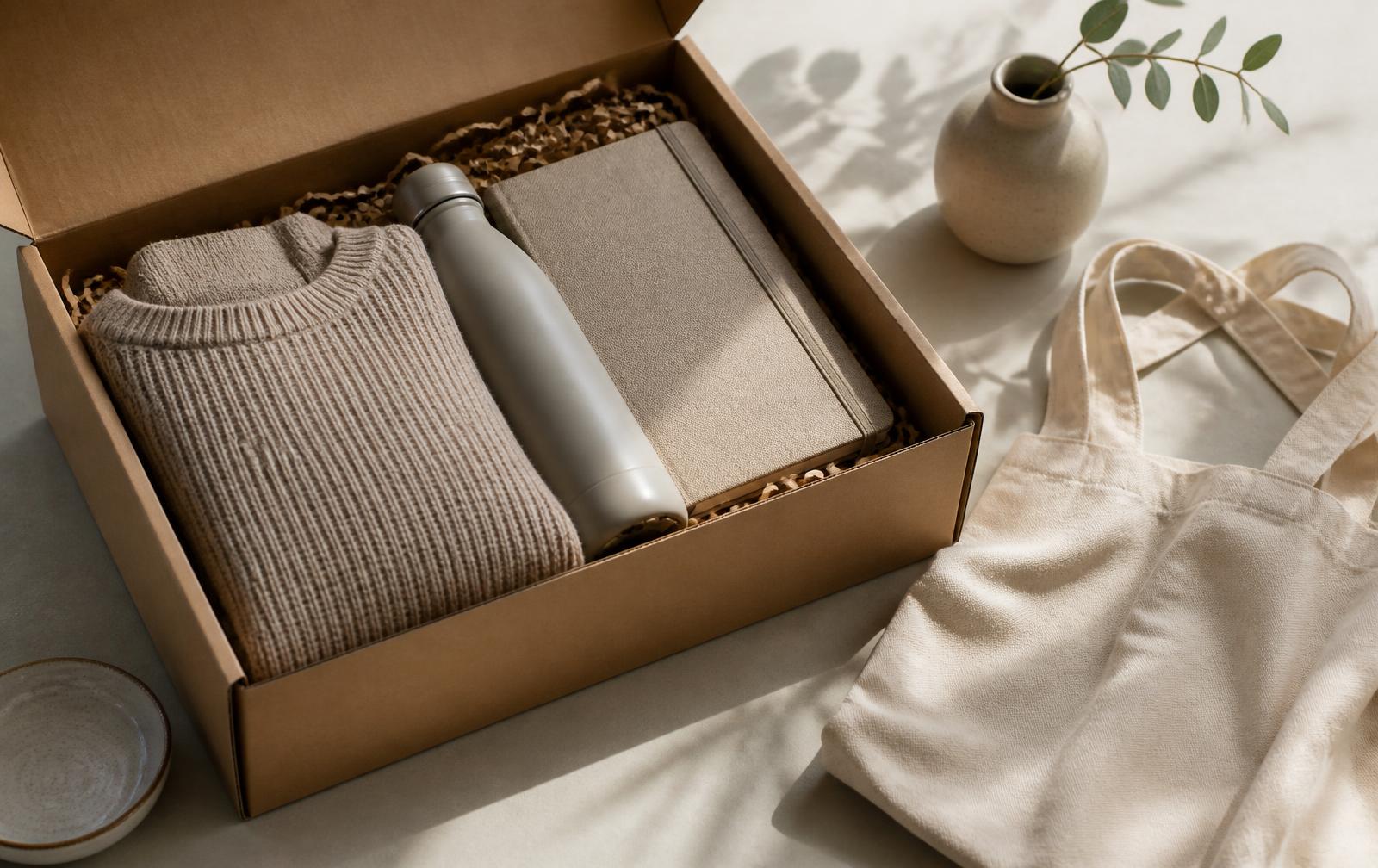
- Gift sets: curated boxes for onboarding, VIPs, festive gifting.
- Event merchandise: lanyards, badges, signage, delegate packs.
- Packaging: custom boxes, sleeves, inserts.
How Custory Helps Businesses in Singapore with Custom Merchandise
At Custory, merchandise isn’t treated as a separate add-on to brand work, it’s an extension of it. Because the same team that builds your brand system also manages merchandise production, what gets printed actually looks like your brand rather than a generic supplier catalogue with a logo dropped on top. We manage the process end to end: product recommendation, design and mockups, sourcing, sampling, quality control, production management, and packaging and delivery, all through one point of contact rather than a printer, a designer and a fulfilment vendor who’ve never spoken to each other. That matters most when a deadline is fixed and there’s no room for a dropped handoff between vendors.